The arrival of springtime brings with it blooming flowers, warmer weather, and, for many, the unwelcome arrival of eye allergies. These seasonal irritations cause significant discomfort and annoyance, resulting in itchy, sore, and dry eyes, and ultimately impairing vision and daily routine, so if you are dreading the coming weeks of irritation and distraction, then we’ll guide you through the best practices for keeping your vision clear, comfortable, and protected this spring.
Eye Allergies
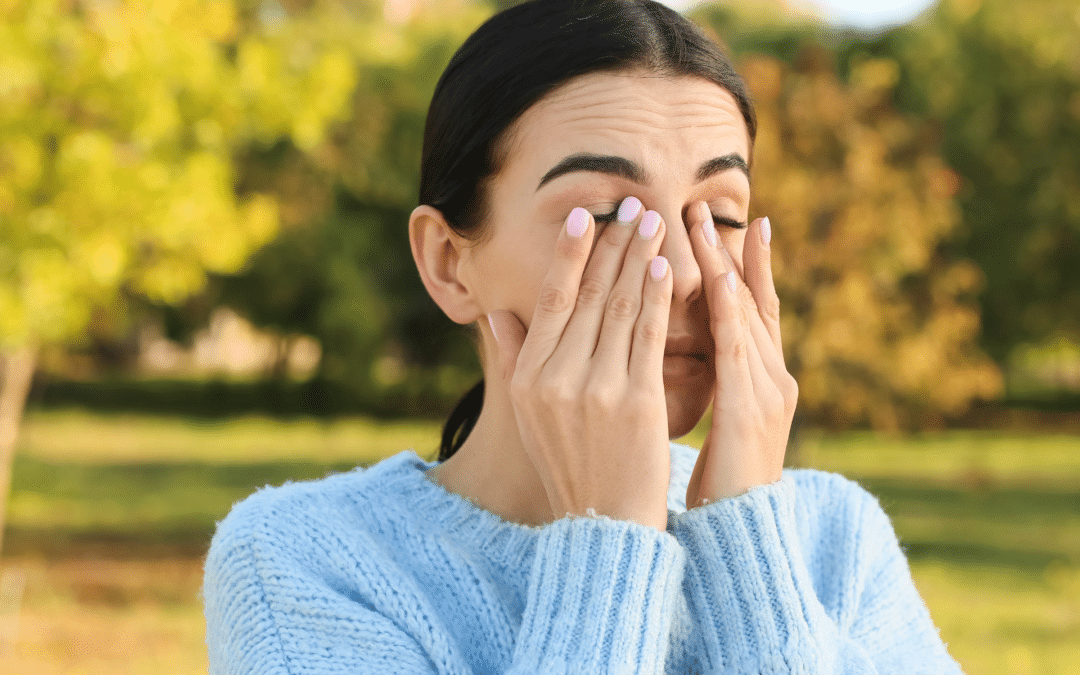
As the seasons change, many people find themselves reacting to the sudden increase in natural allergens by displaying signs of hayfever or allergies. Pollen in eyes, along with dust mites and mould, can trigger allergy symptoms which occur when the immune system overreacts to allergens in the environment, causing:
- Itching
- Swelling
- Redness
- Excessively tearing up
- Blurred vision
- Sensitivity to light
- A sensation of having something “foreign” in the eye or a gritty feeling in the eyes
These symptoms are often mistaken for other eye conditions or dismissed as common allergies, so if you think that you may have seasonal allergy eyes, understanding the causes and preventing a reaction is the first step towards treating these allergies.
Preventing Pollen Allergy Eyes
Whether it’s over-the-counter remedies or lifestyle adjustments, there are a range of preventive measures that you can take to keep your eyes clear, comfortable, and allergy-free this spring.
- Keep Windows Closed: Start by setting up your space to accommodate your allergies and minimise your exposure to common allergens. Simple acts such as keeping your windows closed during the day will reduce the levels of indoor allergens that blow into your home, and make it much more comfortable to be at home without a layer of allergens on the majority of your surfaces. If the warm weather makes it uncomfortable to have the windows open for extended periods of time, then it is a good idea to invest in some air purifiers to keep near your windows, particularly in your bedroom, to capture airborne particles.
- Wear Glasses or Sunglasses: When travelling outside, make use of your vehicles’ air conditioning to maintain a comfortable environment without introducing additional allergens. When out and about, opt for glasses, or ideally wrap-around sunglasses, to provide a physical barrier that helps protect your eyes from pollen, as well as from the wind, which can dry out and irritate your eyes further.
- Shower Regularly: After spending time outside, it’s beneficial to take a shower and wash your hair before going to bed, and to change your clothes after coming indoors from high pollen environments. This removes pollen and other allergens that might have collected on your skin and hair throughout the day and minimises the spread of pollen inside your home.
- Clean Materials: You should also regularly wash bedding, curtains, and clothing to eliminate dust and pollen and prevent them from spreading to other surfaces. This is a particularly important task if you are a pet owner, as animals can bring large amounts of pollen into your home on their fur or paws, which can then transfer onto your materials and textiles.
- Check Forecasts: Finally, if you find yourself dreading high pollen days and find that your allergies often ruin your enjoyment of days spent outside, then start monitoring pollen forecasts and planning outdoor activities according to these forecasts to help you avoid peak allergy times and make the most of the summer sun.
Incorporating these measures into your day-to-day life will reduce your exposure to pollen and irritants, and help to keep your eye allergies at bay – but if you find that you are still having problems with your sensitive eyes, it’s time to consider more comprehensive treatments.
Treatments for Eye Allergies
When you feel the initial irritation caused by your allergies, it’s time to act quickly to manage your symptoms and minimise your discomfort.
To provide immediate relief, start by taking an antihistamine as soon as you notice your body beginning to react to the pollen in the air. These medications counteract the body’s histamine response to allergens to quickly reduce uncomfortable symptoms, and it is a good idea to take one of these tablets before going outside on a day with a high pollen count, as they also work as fast and efficient preventative measures.
If this does not alleviate your symptoms, applying a cold, damp cloth to the eyes to reduce swelling and inflammation should quickly reduce the irritation and help soothe your eyes. This simple, effective treatment can also be paired with allergy eye drops once the swelling has gone down a little to flush out allergens from the eye’s surface while providing moisture to alleviate dryness and irritation.
If your symptoms continue despite these treatments, or if you suspect that your allergies cause you disproportionate discomfort and irritation, then it’s time to consult your doctor or optician. They will be able to recommend which allergy eye drops are most suitable for your conditions, prescribe stronger medications, or discuss the potential for more specialised treatments based on the severity of your symptoms and how ineffective any initial treatments prove to be.
Caring for Pollen Allergy Eyes This Spring
Make sure that your sensitive eyes are ready to experience the beauty of summer without causing you discomfort by taking proactive steps to manage your allergies, and remember: caring for your eyes during allergy season will protect your vision throughout the year.
So, for personalised advice and specialised care, don’t hesitate to contact our team today and enjoy the season with clear, comfortable vision.