If you have recently found yourself struggling to see objects far away, or you are straining more than you used to in order to read, then it might be time to ask yourself the question ‘do I need glasses?’. If you have never needed glasses before then you may be keen to dismiss your vision troubles as age or temporary strain, but it is important to take the necessary steps to determine whether you have any issues that will require glasses. So, how do you know if you need glasses? Our guide explores how to identify the common symptoms of vision problems and how to check your vision at home, before booking yourself in for an eye examination.
How Do You Know If You Need Glasses
Recognising the importance of glasses and not dismissing vision problems as a short-term annoyance is vital for maintaining your overall eye health and your quality of life. Poor vision can lead to headaches, eye strain, and intense fatigue, significantly impacting your daily activities, and can also threaten your safety. If you regularly drive long distances for your job for instance, or you are responsible for the safety of others in your day-to-day life, then it is important to maintain your vision to eliminate the risk of avoidable accidents.
The timely detection of vision issues, and the use of glasses if required, will significantly improve your vision, enable you to perform well in tasks that require visual accuracy, and prevent the worsening of any eye conditions. So, if you have started noticing issues with your sight, or you are keen to be on the lookout for any vision issues, here are the most common vision problems to look out for:
Compromised Vision: Difficulty seeing details at a distance can signal myopia, a condition that is also known as nearsightedness, whilst difficulty seeing things close up can signal hyperopia, also known as farsightedness.
- Squinting: Narrowing the eyes to see clearly, indicating potential refractive errors.
- Headaches: Frequent headaches, especially after visual tasks, can signal eye strain from uncorrected vision.
- Eye Strain: Discomfort or fatigue in the eyes after prolonged periods of use, such as reading or screen time, or attempts to focus.
- Double Vision: Seeing two images of a single object, which can indicate astigmatism or other eye conditions.
- Dark or Night Vision: Difficulty seeing in low light conditions, suggesting a potential need for vision correction, or taking longer than usual to adapt to brightness changes, which may point to eye health issues.
If you have noticed any of these issues, or you have identified them in someone close to you – perhaps a friend, family member, or your children – then the next step is to assess your vision. Most issues can easily be corrected by conducting a comprehensive eye test and investing in the recommended glasses, but it is also important to book an eye assessment to identify any more severe, long-lasting health issues such as macular degeneration, glaucoma, and cataracts.
How to Check Your Vision at Home
Checking your vision at home is an easy and quick way to assess whether you require glasses ahead of a trip to the opticians, as it requires minimal effort and you may already be assessing your vision everyday and not realise. In most cases, changes in vision can go unnoticed for extended periods of time, and it is only once you take the time to assess your eyesight that you will notice any issues.
Start by paying close attention to any visual discomfort that you have whilst carrying out your day-to-day activities, such as driving, watching television, or engaging with visual displays. Pay close attention to any new or previously unidentified symptoms like headaches, eye strain, and squinting, and if you notice any pain, discomfort, or changes in your sight, then it is time for a more indepth observation of your eyesight.
In a well-lit room, assess your near vision by reading a book or magazine from a comfortable distance, taking the time to observe any blurriness or unusual strain. Once you have a good idea of whether or not your near vision has deteriorated, move on to check your far vision by reading a licence plate or house number from a distance, and be sure to check the vision in both of your eyes by covering one eye at a time.
While these at-home tests can suggest the need for corrective lenses, they cannot replace a professional eye examination, and the final step in determining if you need to wear glasses is to visit an optician.
Scheduling an Appointment
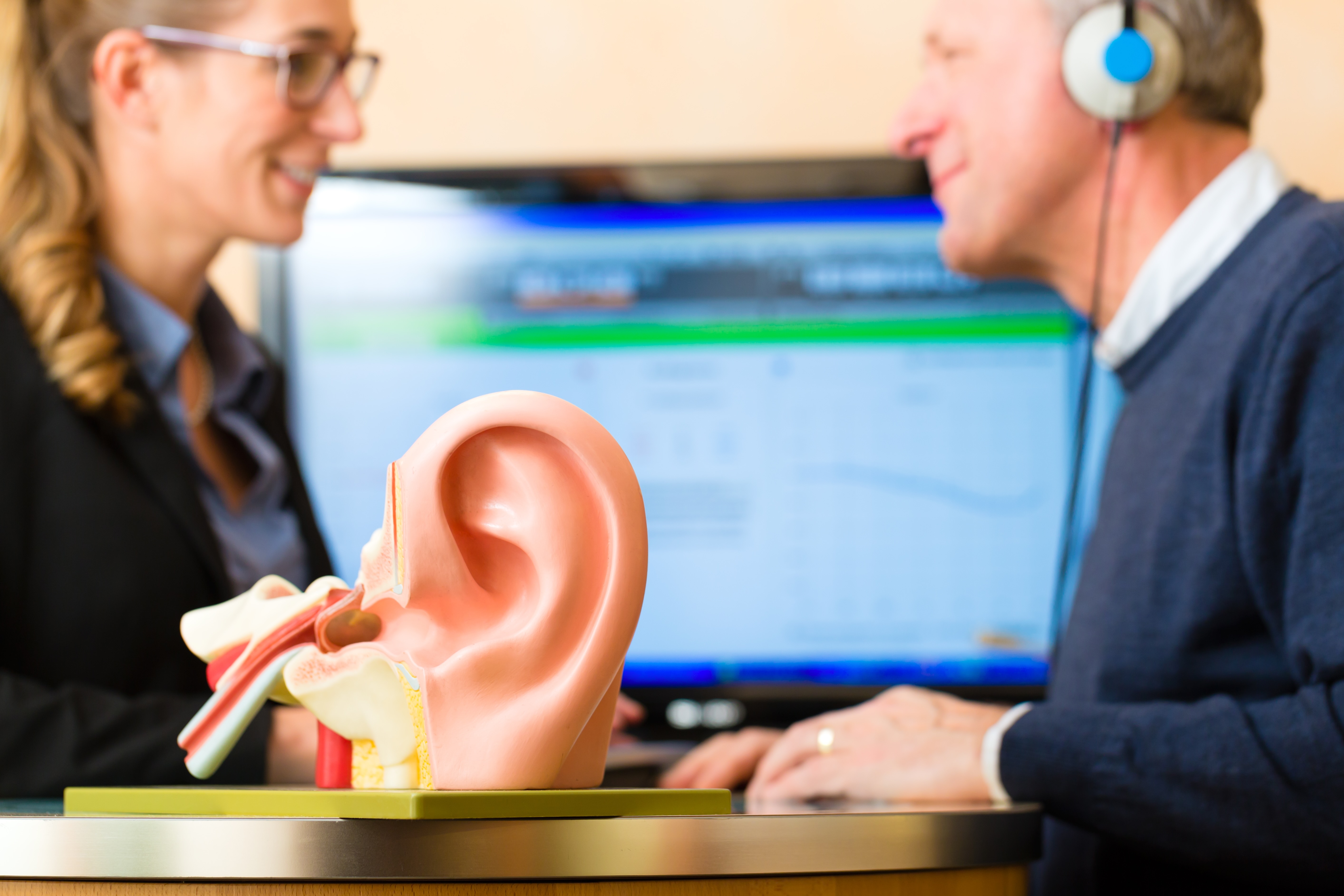
Regular eye exams, recommended every one to two years, are essential for maintaining clear vision, addressing any changes in your eyesight, and finding the best prescription for corrective lenses. At Dominic Tunnell Opticians,our team offers a range of eye examinations, using testing such as Optomap, field screening, and digital retinal photography, to accurately identify and diagnose your issues and to prescribe glasses if needed. Our assessments are able to identify not just common issues such as myopia, hyperopia, astigmatism, and presbyopia, but also the early signs of eye diseases, allowing us to effectively manage and treat any symptoms and prevent further vision deterioration.
Once it has been determined that you require glasses, then the next step is to find the best pair for your visual needs and daily requirements. Our team is on-hand to provide you with personalised advice on the best type of glasses or contact lenses based on your lifestyle and preferences, ensuring optimal comfort, effectiveness, and long-term protection for your lenses. This includes recommendations for frames that suit your face shape, personal style preferences, and prescription needs, ensuring that your glasses not only correct your vision effectively but also offer comfort and suit your personal style.
We will also be able to advise you on lens options, such as single vision, bifocal, and Varifocal lenses, and walk you through the extras available to you, such as transition lenses, anti-reflective coatings, and higher refractive lenses, all of which are designed to meet your visual requirements and improve your finished glasses.
Book Your Next Appointment Today
The answer to the question “how do you know if you need glasses” is simple: book yourself in for an examination with our team. Whilst you may have noticed issues with your eyesight, the only way to know for sure is to receive a professional diagnosis and the lenses that you need, so don’t put off this important task any longer. Contact our team today to book an appointment, or explore our full range of eye examinations to find the best option for you.