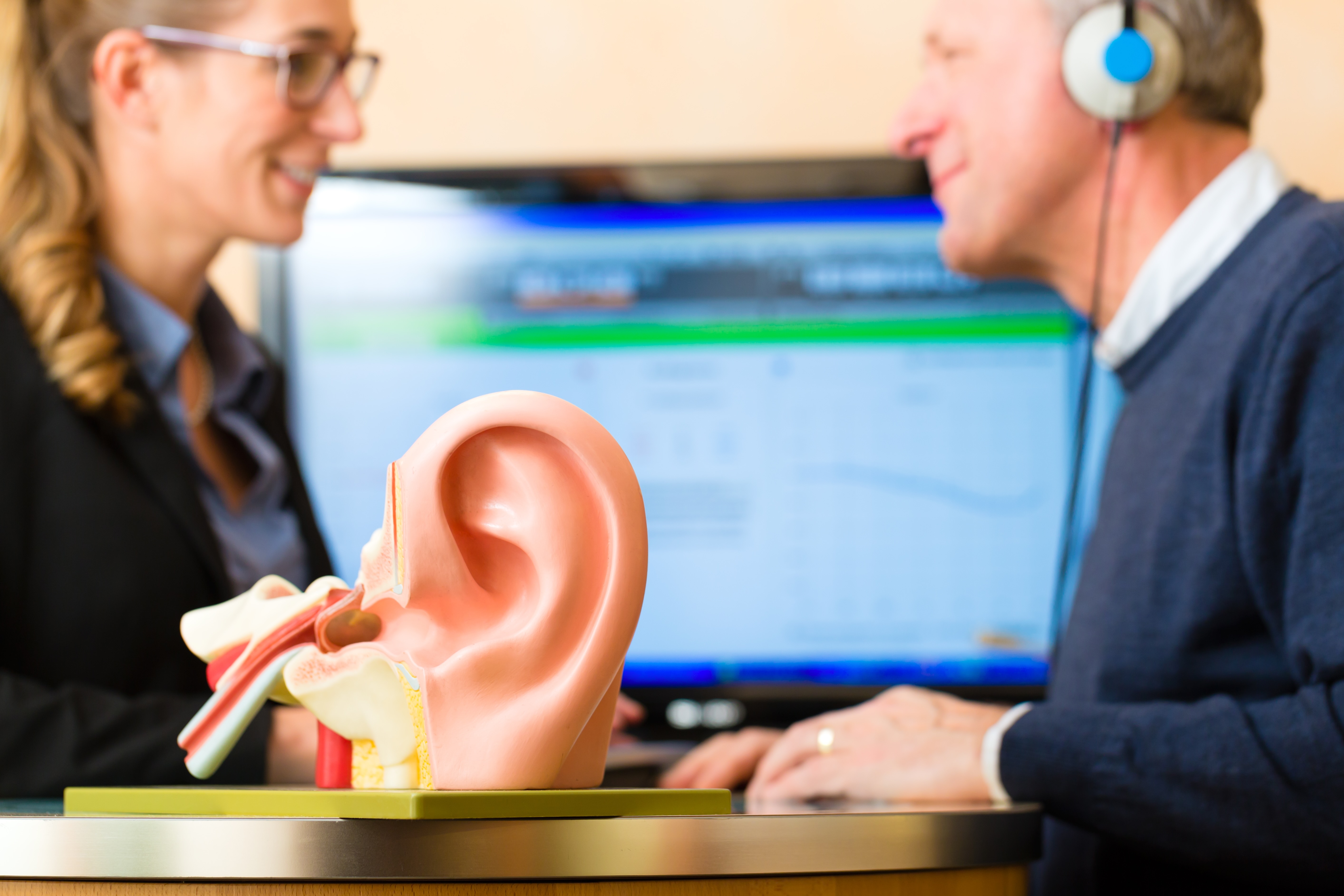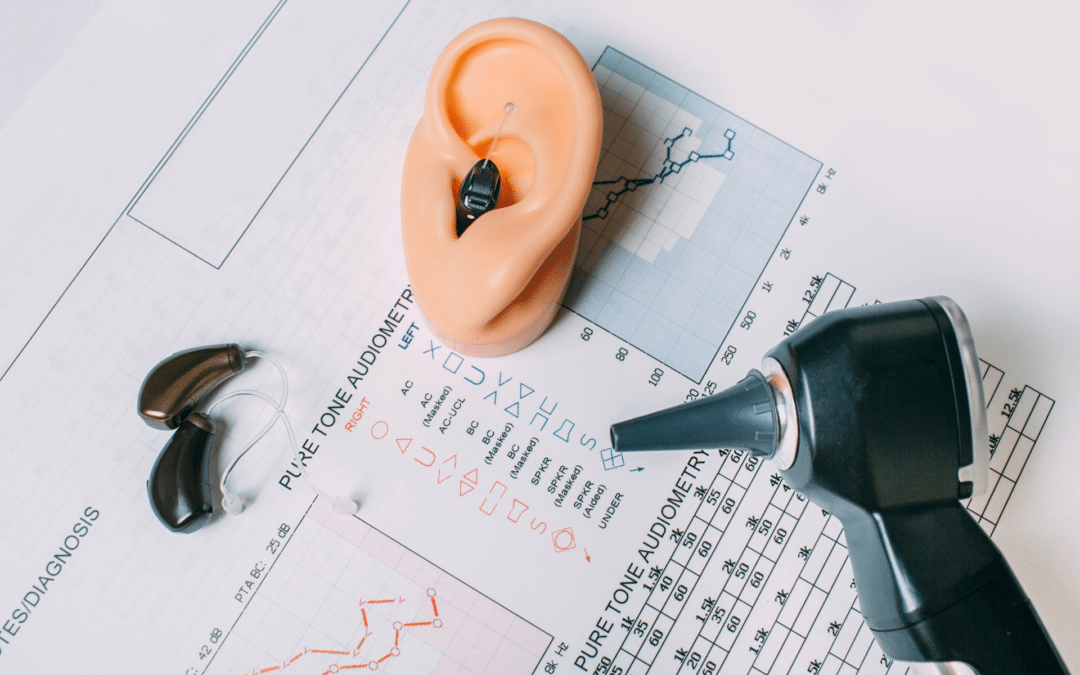
Are you straining to catch every word in conversations, or finding that the volume on your TV seems lower than usual? If the answer is yes, then it is time to consider booking yourself in for a hearing assessment. So, make sure that you stay connected and engaged with the world around you by exploring the key indicators that signal it’s time to book a hearing test.
Hearing Tests
Just as we routinely check our vision and dental health, regular hearing assessments are also important to maintain overall well-being, and acting upon the early symptoms of hearing difficulties will make a significant difference to your long-term auditory health.
Our hearing abilities can gradually decline without particularly noticeable symptoms, making booking regular tests an important priority. Untreated hearing loss can have a devastating impact on your day-to-day life, making early detection increasingly important as we age, so check our guide for any symptoms that you may be experiencing and contact us today to make sure that they are addressed.
Common Signs That You Need to Book a Hearing Test
- Difficulty with Conversations: Struggling to follow or understand conversations, particularly in noisy environments like restaurants or social gatherings, can indicate that your hearing abilities are struggling to pick up on sounds against background noise.
- Asking people to repeat themselves: Constantly needing others to repeat themselves as a result of missing key parts of conversations could be due to hearing challenges.
- Mumbling: If it often seems like people around you are mumbling or not speaking clearly, then it may be your hearing and not their speech that is an issue.
- Turning up the volume: Increasing the volume on your TV, radio, or phone to levels that others find to be too loud suggests that your hearing might be getting worse.
- Ringing or buzzing in the ears: Persistent ringing or buzzing are common symptoms of tinnitus, which indicates hearing difficulties or other underlying auditory issues that should be evaluated by a professional.
- Fatigue or stress: If you are feeling tired from straining or stressed from the extra effort required to hear and understand, then your hearing may be deteriorating.
- Trouble hearing high-pitched sounds: Difficulty detecting high-pitched sounds like children’s voices or alarms can indicate the beginning stages of high-frequency hearing loss.
- Missing sounds: Frequently missing phone calls or doorbells despite being nearby can be a clear indication that your hearing is reduced.
Finally, if you yourself believe that your hearing is deteriorating, then be sure to prioritise your future wellbeing and book a hearing test today to assess your abilities.
Who Should Get Regular Hearing Tests?
If any of these symptoms are gradually beginning to impact your day-to-day life, or even if you have not noticed any, there are certain groups of people who will require more regular testing than others. For healthy adults without existing hearing issues or risk factors like high noise exposure or a family history of hearing difficulties, it is generally recommended to have a hearing appointment at least once every ten years, but certain signs might indicate you need one sooner, including:
- Age-related hearing loss: Individuals over 50 should have more frequent tests as age-related hearing difficulties become more common, affecting their ability to hear high-pitched sounds and understand speech clearly. So, if you are aged over 50, then it is generally recommended that you attend a hearing exam every few years, and leave no more than 3 years between each assessment.
- Occupational hazards: Those who work in noisy environments or are regularly exposed to loud sounds, such as construction workers or musicians, are at higher risk of having their hearing impaired and should have their hearing checked more often.
- Genetic predispositions: People with a family history of deafness, or those who are genetically predisposed to similar issues should monitor their hearing health closely with regular tests, particularly as they age.
- History: Individuals who have had frequent ear infections or suffered ear trauma in the past are more susceptible to hearing damage and should undergo regular evaluations to catch any problems early.
- A build-up of earwax: Finally, those prone to excessive earwax build-up, which can block the ear canal and impair hearing, should have their hearing assessed regularly to ensure the ear wax is not causing significant issues, as this can be quickly and easily treated.
- Book a Hearing Test with Dominic Tunnell Opticians
Recognising the signs of hearing loss and scheduling regular hearing assessments can greatly improve your quality of life and prevent the serious consequences of untreated hearing issues.
At Dominic Tunnell Opticians, our on-site hearing specialist offers comprehensive hearing tests and a range of solutions from the world’s leading hearing aid producers, so take a proactive approach to maintaining your hearing and book an appointment with us today.